Fashion brands find sourcing fabrics to be a very important procedure, especially when dealing with special fabrics like satin and sateen. The two fabrics are glorified with their smoothness and luxurious feel, though they vary in a lot of aspects in terms of composition, weave, and their maintenance needs. Lack of understanding of these differences may mean an expensive production error, poor quality of the products produced, and customer discontentment. Knowledge about the typical errors that happen during the sourcing of sateen vs satin assists a brand in making the right choice and keeping the collection at a high level.
Confusing Satin with Sateen
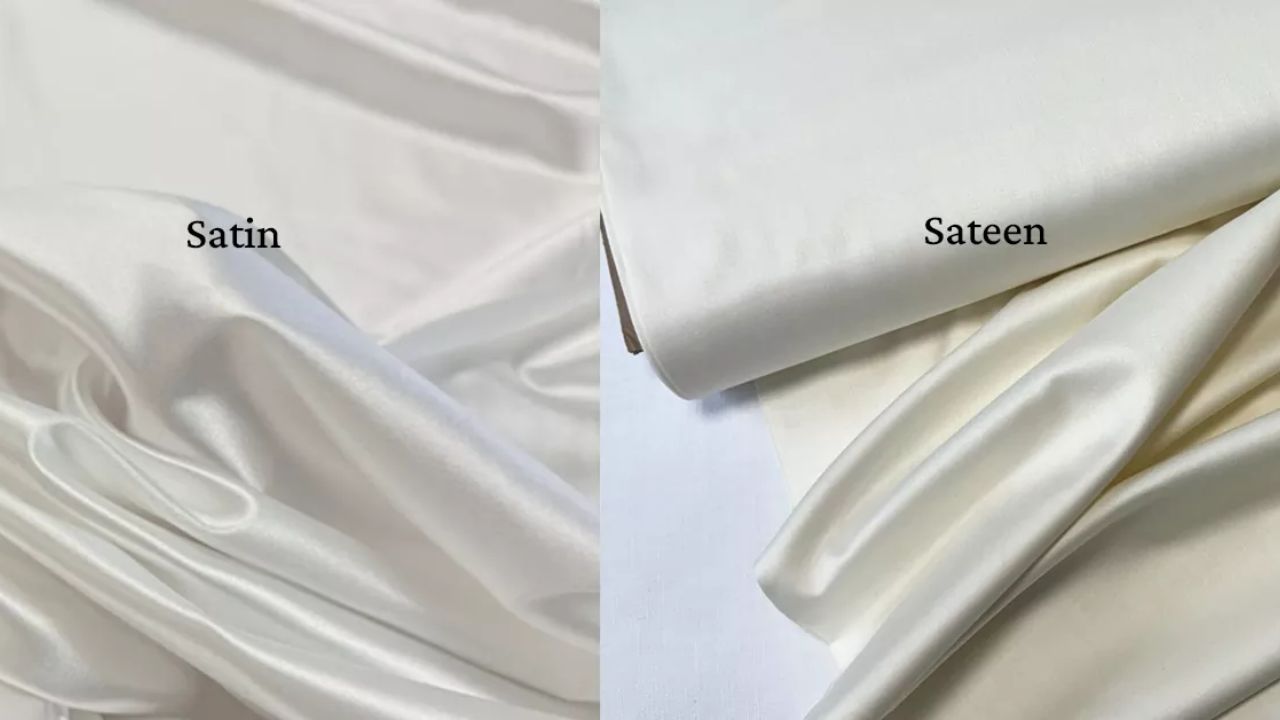
The most common mistake that people make when sourcing fabric is the idea that satin and sateen are equal. The difference between the two lies in their use of a satin weave structure, fibers, hand feel, and their ability to withstand use, but they differ significantly. Satin is usually fabricated using silk, polyester, or nylon, hence giving it a high gloss surface and cool liquid texture. Sateen, however, is more cotton-based and has a softer shine and seems warmer and even more comfortable. Sellers who do not distinguish such differences are likely to have a product that does not match the customers' expectations. As an example, a customer who wants to have a daily experience of comfort can find the silk satin pajamas to be too slippery or too delicate to wear every day, but sateen will offer a more appropriate experience.
Overlooking Fiber Content and Quality
The second typical error is only concentrating on the looks with no attention to the fiber content and quality. Satin may be natural or synthetic, and its durability, maintenance needs, and touch depend on the type. Polyester satin is relatively less expensive but might not be as luxurious and soft as silk satin. Cotton sateen, on the other hand, is breathable and easy to clean, yet might not have the flashy shine that is demanded in high-end evening wear. These disregarded differences in sourcing may result in the lack of congruence in the expectations of production and branding and the final user experience. Companies should pay close attention to the fiber content of every cloth before placing large orders.
Ignoring Weave and Finish
Satin and Sateen weave and finishing methods are very significant in the performance of the new fabric on garments. Its old four-over-one weave creates a very reflective texture, which is perfect in an elegant coat of arms and high-end loungewear. The modified satin weave in Sateen is a more structured and long-lasting fabric, which has a better sheen and suits pajamas, bedding, and even daily wear. The inability to consider such properties may lead to fabrics not falling in the required manner or having an early wear, including pilling or drooping. It is important to test fabric samples in various lights and after repeated washing to be sure it works according to design intent.
Underestimating Care Requirements
Another common mistake during sourcing is the insufficiency to estimate the maintenance needs of every fabric. Satin and especially silk satin can be easily dry cleaned or hand washed with a nice hand, so this may not be feasible with high turnover goods such as lounge wear or pajamas. Sateen, on the other hand, is machine washable and tougher, which makes it a safer bet as a product that is to be used frequently. Brands that fail to accommodate care needs face an increased rate of returns, customer complaints, and increased overheads in running the business in the form of garment care instructions. An awareness of these utilitarian factors will bring about the satisfaction of brand standards and the convenience of products as per the consumers.
Conclusion
When ordering satin or sateen, one should pay close attention to the content of the fibers, weave, finish, and usefulness. Problems like wrongly mixing two kinds of fabrics, the lack of attention to the quality of fiber, not following the care instructions, and focusing on the cost and disregarding the reliability of suppliers may have a long-term effect on brands. Having the knowledge about the peculiarities of satin and sateen and performance issues, fashion companies can make the right choices, create high-quality clothes, and provide superior value to the audience. The considerate fabric sourcing strategy not only helps secure a positive brand image but also makes sure that all of the products exceed expectations in terms of their comfort, durability, and dissimilarity.